
Hi friends,
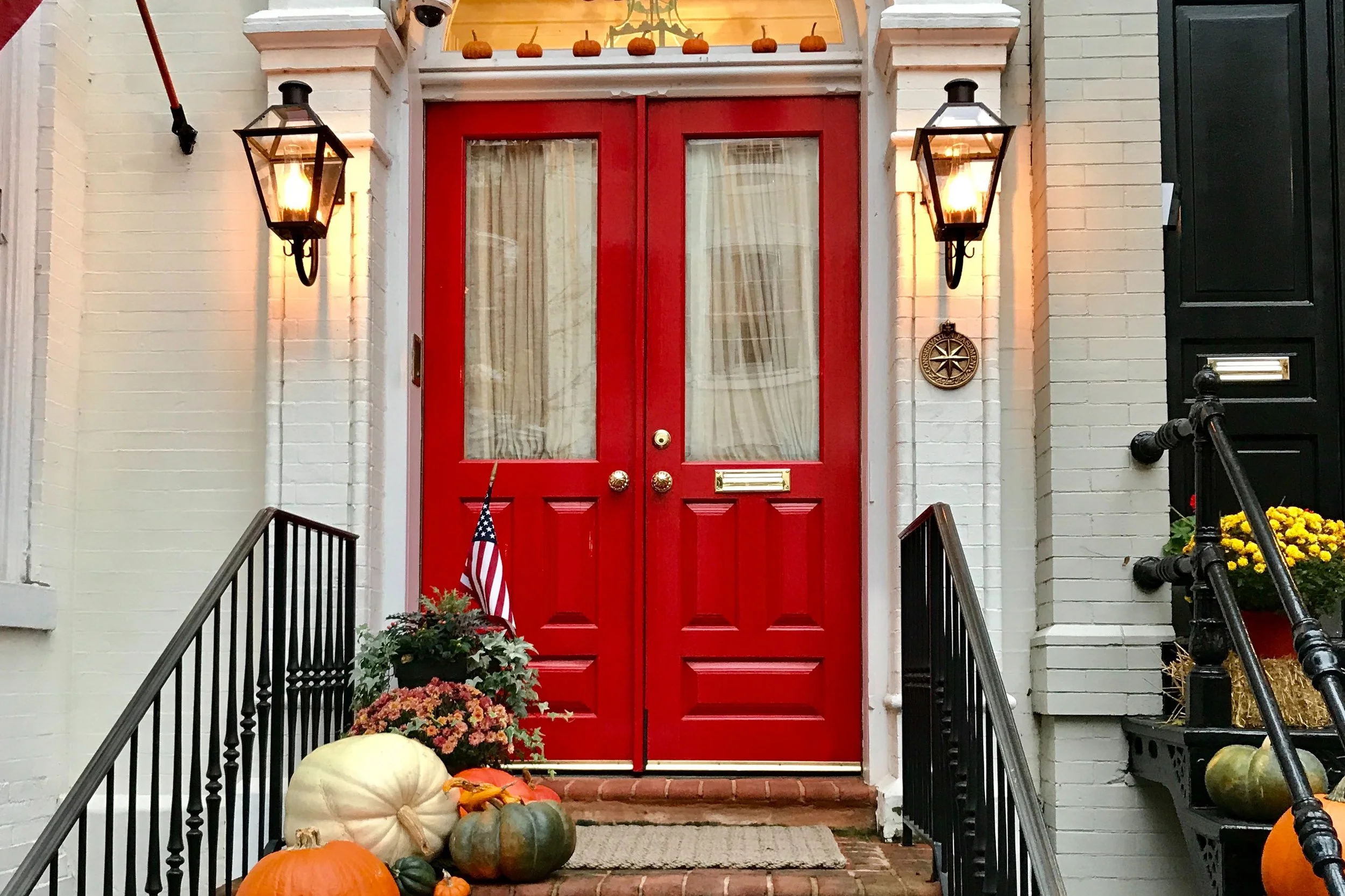
It’s finally happening! Fall is upon us. As the leaves slowly turn and the air becomes crisp, it’s time to prepare your home for the upcoming season. Here are a few helpful tips for ensuring your condo is ready.
Inspect your fireplace and chimney. If you have a working fireplace, now is a great time to get it inspected and cleaned. This is an important step to prevent fires.
Check your heating system. Schedule a professional inspection of your heating system–including your furnace and boiler–to ensure it’s in good working order before chilly temps arrive. There’s nothing worse than waking up after the first frost to discover that your heat is on the fritz.
Prep your thermostat. Make sure your thermostat works and is set to a suitable temperature for fall. Also, consider changing the battery if needed.
Seal any drafts. Check your doors and windows for air coming in from outdoors. Apply weatherstripping or caulking as an easy fix to help your heating system run efficiently.
Organize storage space. Clean out your closets and storage spaces so they’re ready for winter clothing and gear.
Make plans for vacancy. If your unit will be vacant for part of the fall or winter, set the thermostat cool enough so that it won’t waste energy, but warm enough to keep your pipes from freezing. We generally recommend a temperature of around 65 degrees.
Assemble an emergency kit. Have items like flashlights, batteries, non-perishable food, and bottled water ready in case of power outages or severe weather.
Test your smoke and carbon monoxide detectors. Make sure these are in working order, and replace batteries if needed.
Bring plants inside. If you had plants outside during the warmer months, now’s a good time to bring them in for the season as temps get cooler.
By following these steps, condo owners can ensure that their units are well-prepared for fall in New England. This prep ensures comfort and reduces the risk of damage due to changing weather conditions.
Until next time,
The BRIGS Team